How I Got Here
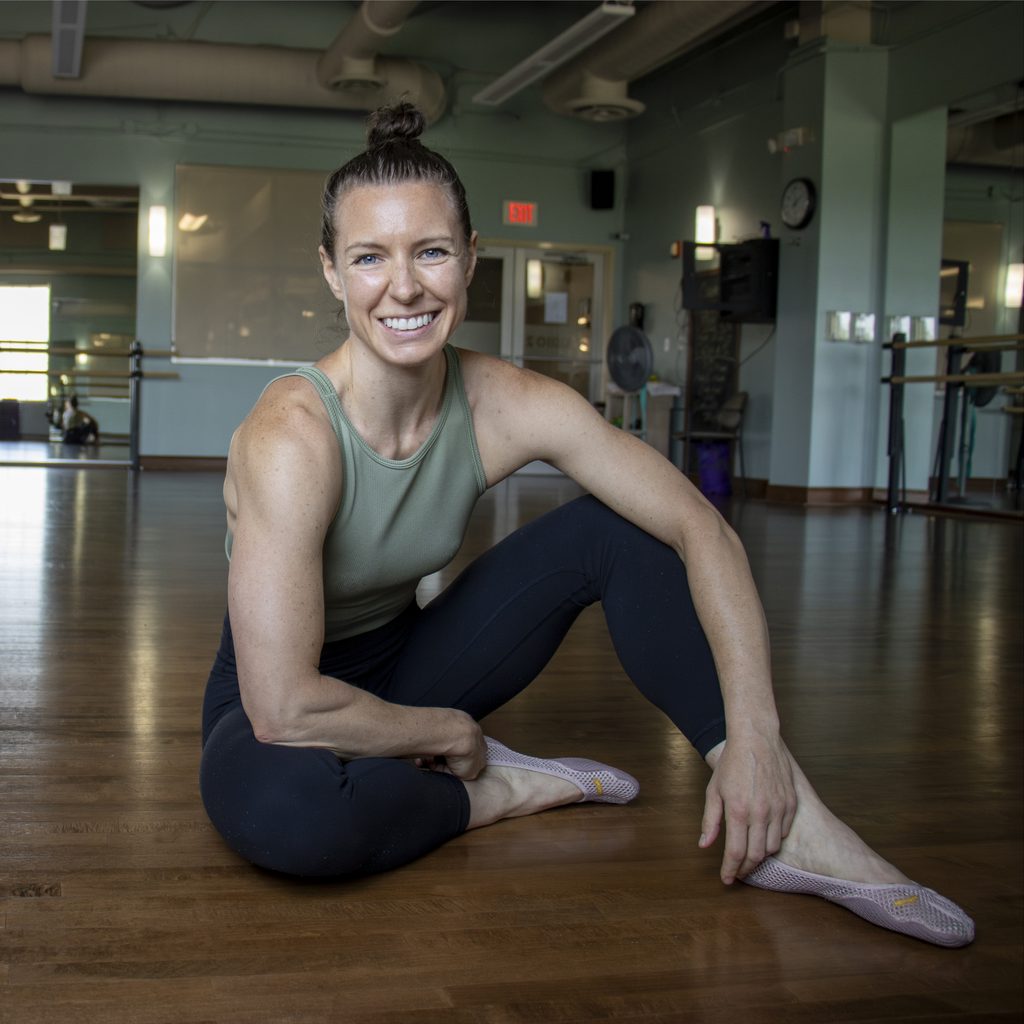
Your body tells you everything you need to know. The challenge is listening.
My work is the intersection of systems, performance, and human behavior.
At four, I played piano and read most of the day.
At twelve, I saw Bodies: The Exhibition in New York City.
At fifteen, I met my father’s personal trainer. At eighteen, I hired my own. At nineteen, I competed in my first bodybuilding show.
At twenty-two, I attended Officer Candidate School for the United States Marine Corps. (MARSOC MPOTFF Human Performance System)
At twenty-four, I worked in IT and digital systems management, supporting auto dealers (3% profit margine and they close the books every month.)
At twenty-six, I completed yoga teacher training. At twenty-seven, Pilates teacher training.
At twenty-eight, I entered my first Brazilian Jiu-Jitsu competition.
At twenty-nine, I bought my first set of crystal singing bowls.
At thirty-two, I encountered my first tensegrity model.
At thirty-three, I attended my first Functional Range Systems seminar and found language and methodology to understand human movement as an analog system.
All the while I was working inside the industry that attempts to solve the lifestyle discrepancy between us and that of our ancestors (fitness).
I have generated and managed leads, trained clients, sold memberships, conducted assessments, opened gyms, supported launches, built workflows, developed staff, cleaned facilities, solved operational problems, and done the unglamorous work required to keep a fitness business functioning.
While launching Alloy Personal Training in St. Louis Park, I led sales and field execution through opening, resulting in approximately 120 members averaging $430 per month.
That experience reinforced what technology had already taught me:
A well-designed system is only as good as its human execution.
That led me to the question that still drives my work:
How much experience can I compress into something transferable in a fraction of the instructional time, so each person within a system can perform most effectively?
The same question applies to organizations.
A company can have excellent SOPs and still underperform because of what happens between the system and the person expected to execute it.
I look for competing incentives, unnecessary complexity, bottlenecks, and the discrepancy between what an organization intends to happen and what humans end up doing.
Whether I am working with one person, a room of trainers, or an organization, the process is essentially the same:
Understand the system. Identify the constraint. Improve the execution. Measure the change.
In movement, that often means teaching someone to articulate a specific joint or change intra-abdominal pressure.
In business, it means examining how leads are handled, how assessments are conducted, how staff divide their attention, how accountability is structured, or how tonality affects a sales conversation.
The subject changes. The work remains the same.